
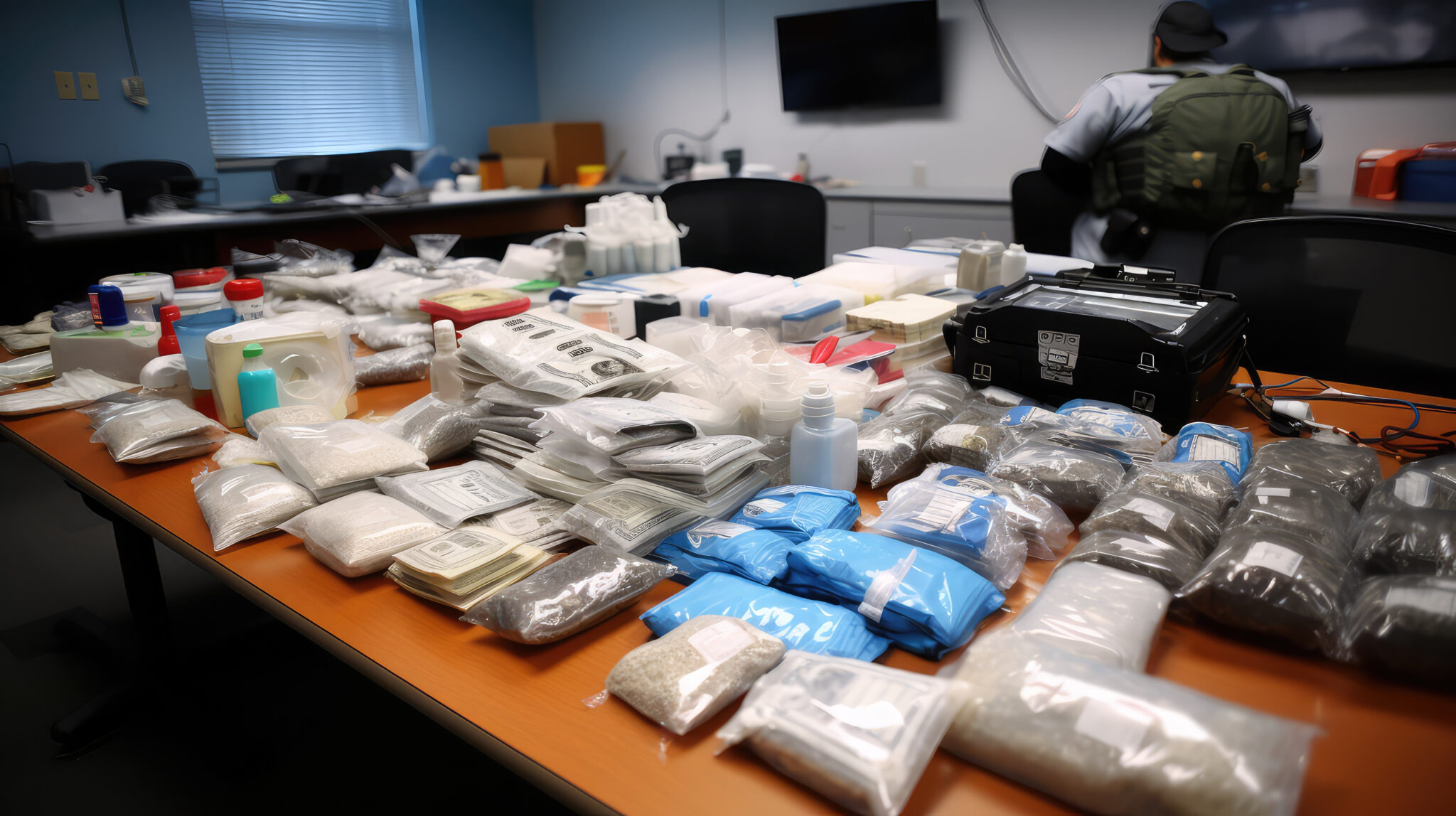
Large-Scale Enforcement Action Highlights Financial Crime and AML Implications
Police in Ontario have announced the seizure of more than $2 million in illicit drugs, including 12.5 kilograms of suspected fentanyl, along with multiple firearms linked to organized criminal networks. The operation resulted in 11 individuals being charged with a total of 214 criminal offences, underscoring the scale and complexity of the criminal activity involved.
In parallel with the criminal charges, Ontario’s Provincial Asset Forfeiture Unit has become involved to investigate proceeds of crime offences, reflecting a coordinated effort to disrupt not only the criminal actors, but also the financial benefits derived from their activities.
Overview of the Seizures and Charges
Law enforcement confirmed that the operation led to the removal of a substantial quantity of illegal narcotics from circulation, with fentanyl representing a particularly acute public safety risk. The seizure of firearms alongside drugs highlights the close link between violent crime, drug trafficking, and organized criminal enterprises.
The scale of the charges, totaling 214 offences across 11 individuals, points to a highly structured network rather than isolated criminal behavior.
Fentanyl Trafficking and Financial Crime Risk
Fentanyl trafficking is associated with high profit margins, rapid turnover of funds, and significant laundering risk. Criminal networks involved in opioid distribution frequently rely on:
• Cash-intensive operations
• Use of third-party facilitators and nominees
• Layering through informal value transfer systems
• Integration through businesses and assets
From an AML perspective, drug trafficking remains a key predicate offence to money laundering, requiring heightened vigilance across the financial system.
The Role of Proceeds of Crime Investigations
The involvement of the Provincial Asset Forfeiture Unit signals a strategic focus on following the money. Proceeds of crime investigations aim to identify, restrain, and ultimately forfeit assets derived from criminal activity, including:
• Cash and bank balances
• Real estate and vehicles
• Luxury goods and high-value assets
By targeting financial gain, authorities seek to remove the economic incentive that sustains organized crime.
Implications for Financial Institutions
Operations of this nature carry direct relevance for banks, payment service providers, and other reporting entities. Financial institutions may be exposed where criminal proceeds intersect with the legitimate financial system, particularly through:
• Cash deposits inconsistent with customer profiles
• Rapid movement of funds between related parties
• Use of accounts linked to firearms or drug trafficking investigations
• Asset purchases not aligned with known income sources
Institutions operating in regions impacted by organized crime activity must ensure that transaction monitoring and escalation frameworks are calibrated to detect these risks.
Importance of Inter Agency Cooperation
This enforcement action demonstrates the importance of coordination between frontline policing, financial investigators, and asset forfeiture authorities. The integration of criminal and financial investigations increases the likelihood of dismantling entire networks rather than addressing individual offences in isolation.
For compliance professionals, this reinforces the value of timely suspicious transaction reporting and cooperation with law enforcement agencies.
Compliance and Governance Considerations
Financial institutions should consider whether their AML frameworks adequately address risks associated with drug trafficking and firearms offences by:
• Treating drug trafficking as a high risk predicate offence
• Ensuring staff are trained on red flags linked to narcotics and weapons activity
• Maintaining strong escalation and reporting processes
• Supporting asset restraint and forfeiture efforts through timely reporting
Failure to identify or escalate relevant activity can expose institutions to regulatory and reputational risk.