

Building an Anti-Money Laundering AML department is a foundational requirement for any regulated financial institution. A well-designed AML function protects the organisation, supports sustainable growth, and demonstrates regulatory credibility.
Below are ten practical steps that provide a clear framework for creating an effective AML department from the ground up.
1. Define the Regulatory Scope and Obligations
Start by clearly identifying the laws, regulations, and supervisory expectations that apply to your institution. This includes local legislation, extraterritorial requirements, and international standards such as those issued by the Financial Action Task Force.
Documenting your regulatory perimeter ensures your AML program is aligned with applicable obligations from day one.
2. Conduct an Enterprise-Wide AML Risk Assessment
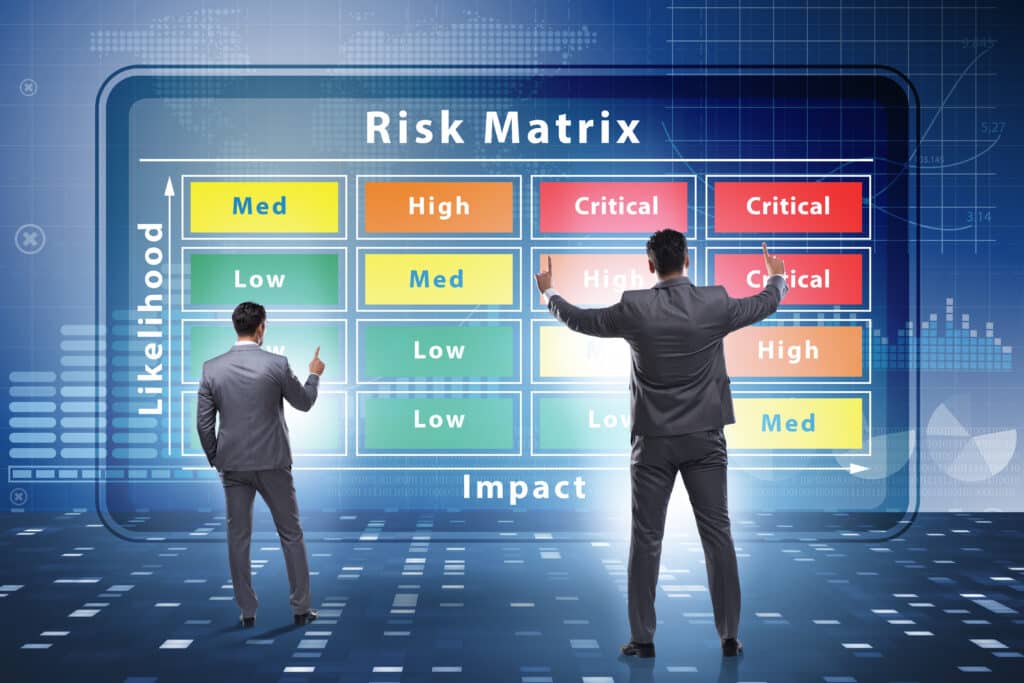
An AML department must be risk-based. Perform an enterprise-wide AML risk assessment covering customers, products, services, delivery channels, and geographic exposure.
The results of this assessment should directly inform policies, staffing levels, monitoring thresholds, and governance decisions.
3. Establish Governance and Reporting Lines
Strong governance is essential. Define where the AML function sits within the organisation and how it reports to senior management and the board.
This includes appointing a designated AML Officer or MLRO, defining escalation pathways, and establishing regular reporting and oversight mechanisms.
4. Develop AML Policies and Procedures
Create AML policies and procedures that translate regulatory requirements into clear operational guidance.
These should cover customer due diligence, enhanced due diligence, transaction monitoring, sanctions screening, suspicious activity reporting, record retention, and regulatory engagement.
Policies must be practical, tailored, and aligned with the institution’s risk profile.
5. Build the AML Team and Define Roles
Determine the structure and size of the AML department based on the risk assessment and business model.
Define clear roles and responsibilities for analysts, investigators, quality assurance, and AML leadership, supported by accurate job descriptions and accountability frameworks.
6. Implement Customer Due Diligence Frameworks
Design customer onboarding and review processes that align due diligence requirements with customer risk
This includes standard due diligence, enhanced due diligence for higher risk relationships, beneficial ownership identification, and periodic customer reviews.
Consistency, documentation, and traceability are critical.
7. Deploy Transaction Monitoring and Screening Tools
Select and implement transaction monitoring and screening systems that reflect the institution’s products, services, and risk exposure.
Monitoring scenarios, thresholds, tuning methodologies, and alert handling processes must be documented and periodically reviewed.
Technology supports the AML function but does not replace informed judgment.
8. Establish Case Management and Investigation Processes
Define how alerts are reviewed, investigated, documented, and escalated.
This includes investigation standards, decision making criteria, escalation protocols, and timelines for filing suspicious activity reports where required.
Well documented investigations protect both the institution and individual decision makers.
9. Build Capability Through Structured AML Training
An AML department is only as effective as the people operating it. Beyond systems and policies, institutions must ensure staff understand how regulatory expectations apply in real operational scenarios.
Platforms such as StudyAML support this by delivering practical, role-based AML training designed by practitioners.
StudyAML helps institutions:
- Onboard new AML team members quickly and consistently
- Scale AML capability as the business grows
- Align staff understanding with jurisdiction-specific expectations
- Demonstrate a strong and credible culture of compliance
10. Monitor, Test, and Continuously Improve
Establish a framework for ongoing monitoring and independent testing of the AML program.
This includes quality assurance reviews, internal audits, regulatory examinations, and periodic updates to the risk assessment, policies, and controls.
An AML department is not static. Continuous improvement is essential to remain effective as risks, regulations, and business models evolve.
Final Thoughts
Creating an AML department is both a regulatory obligation and a strategic investment. Institutions that take a structured, risk-based approach from the outset are better positioned to manage financial crime risk, engage regulators confidently, and support sustainable growth.
When combined with strong governance, effective technology, and practical training, an AML department becomes a critical pillar of trust and resilience within the organisation.